One of the joys of the holidays is going out and about to see how others have decorated their homes. It not only adds an excitement to the air, but also may inspire you for how you’d like to decorate the exterior of your own home.
Perhaps the best place to start is the front porch, which is your home’s holiday greeting to all who visit or pass by. Whether your style is glam and glitz or traditional and country, these tips will make it easy to decorate your porch to celebrate fall, and then transition it seamlessly to winter holiday decor in no time!
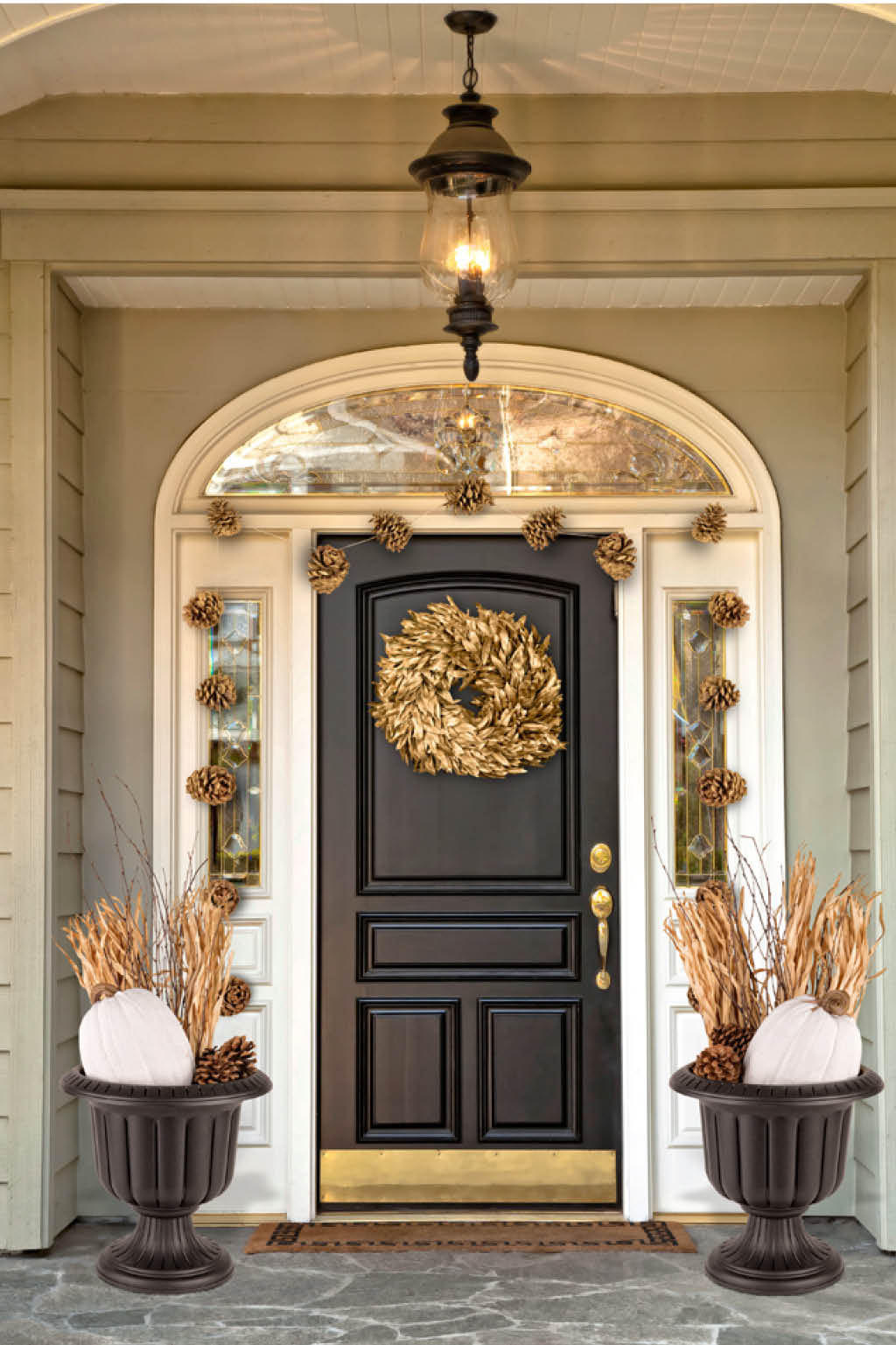
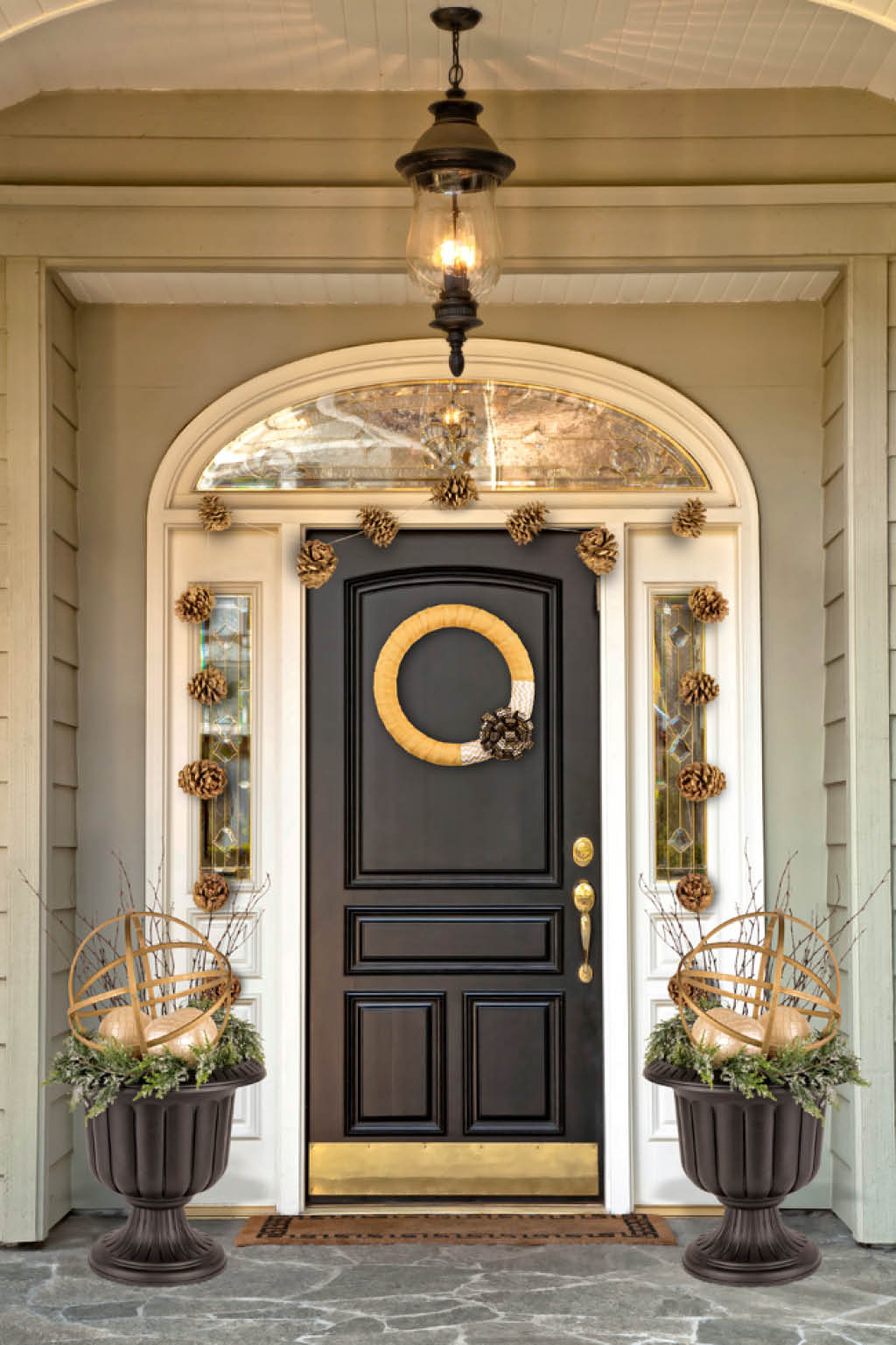
Go for gold with glam decor. A simple, clean, elegant decor never goes out of style. And nothing says glamour quite like the color combination of black, white, and gold, which works quite well as a tool to show your style throughout the seasons.
In the fall, take advantage of front door planters by mixing autumn vegetables such as white gourds and cornstalks with pinecones.
Plus, you can add a striking focal point to your autumn decor by hanging a gold-painted harvest wreath on your door—this will maintain your glam theme while adding an extra touch of the season.
In the winter, switch out the autumn vegetables with more seasonal ornament-style decor, and forgo the usual pine wreath by opting for a clean gold straw wreath, to which you can add your own personalized touch of the season.
Cross-seasonal tip: Stringing pinecones around your door is an ideal transitioning tool—you won’t have to switch them out during the change of seasons!
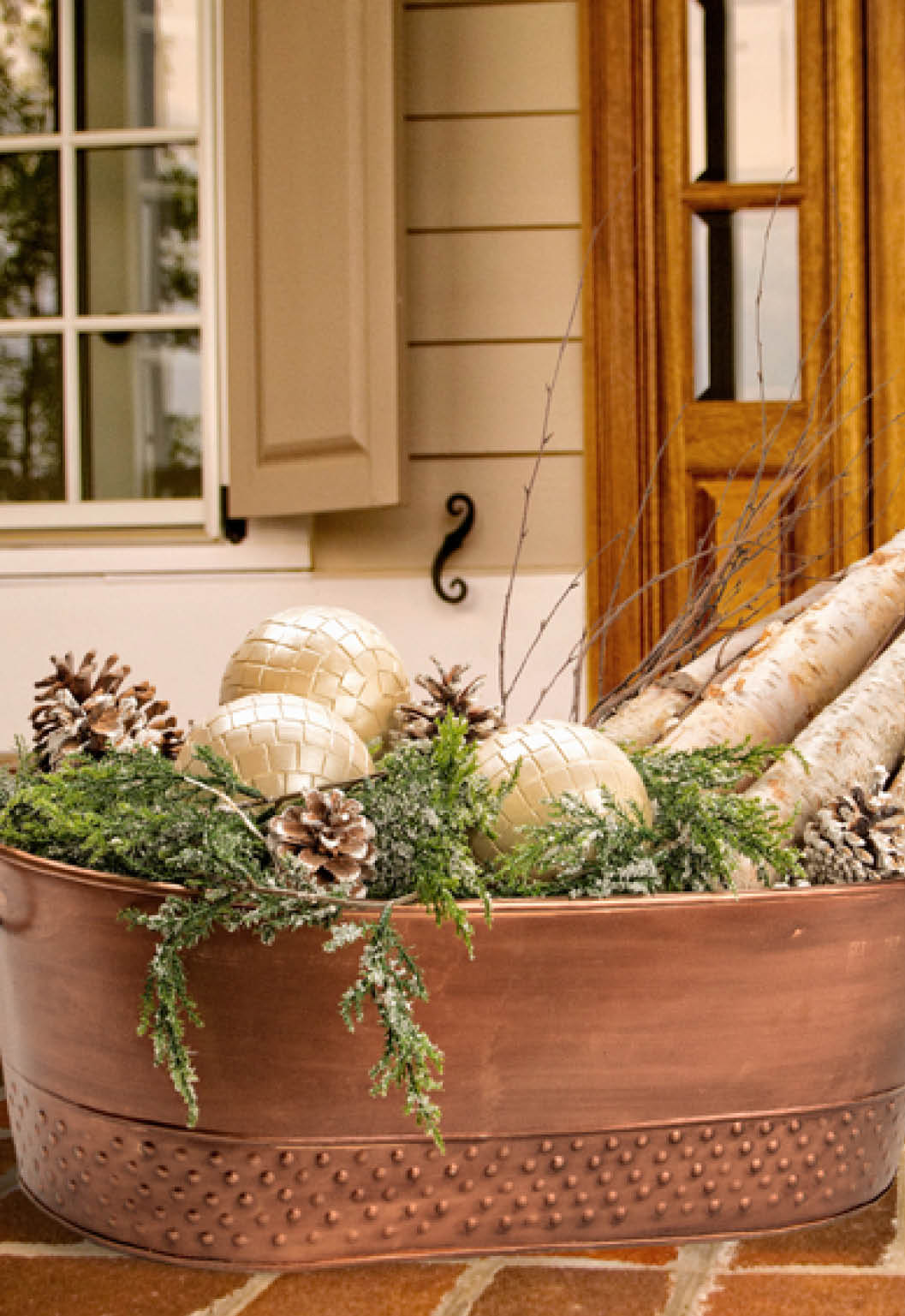
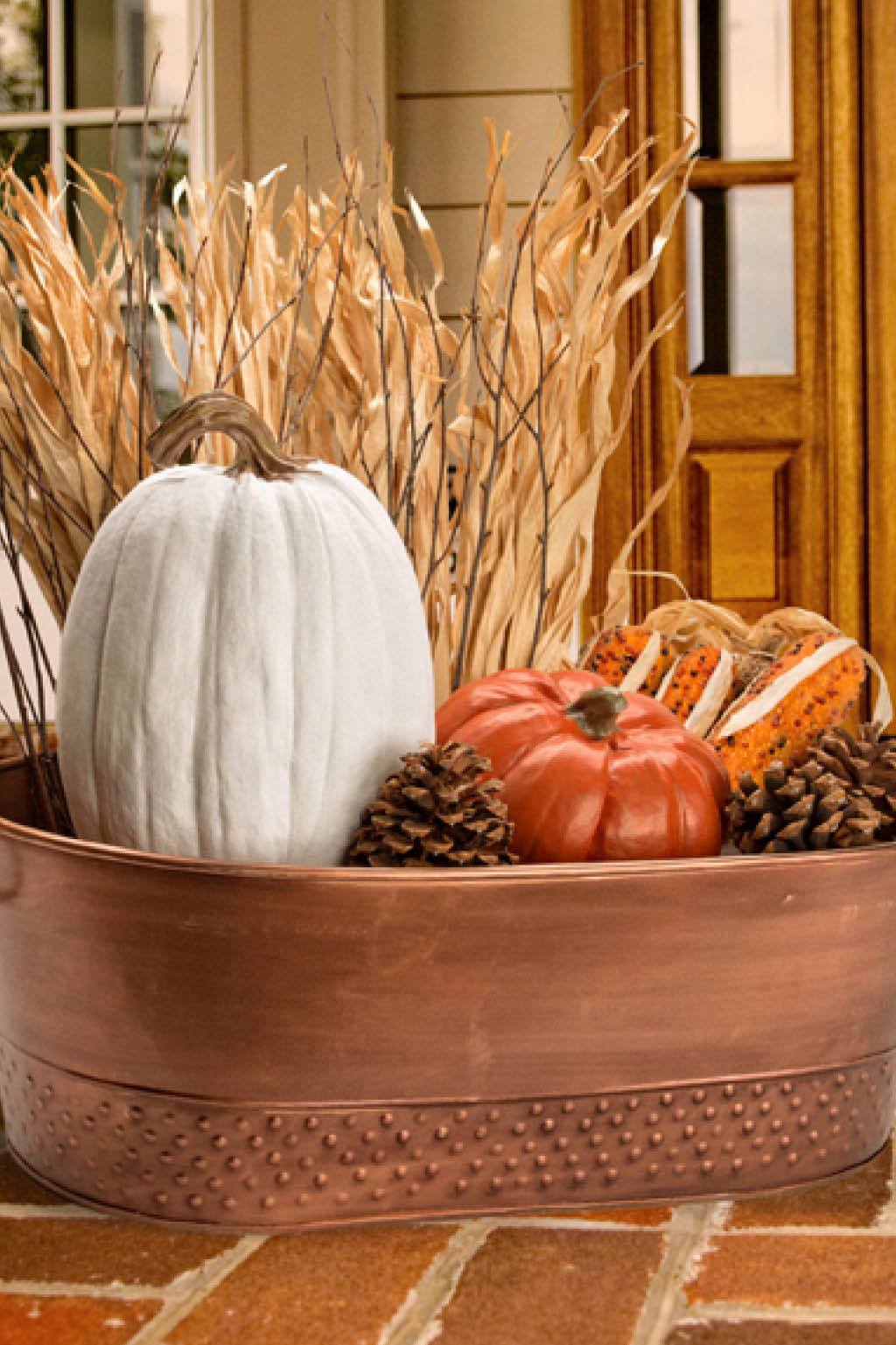
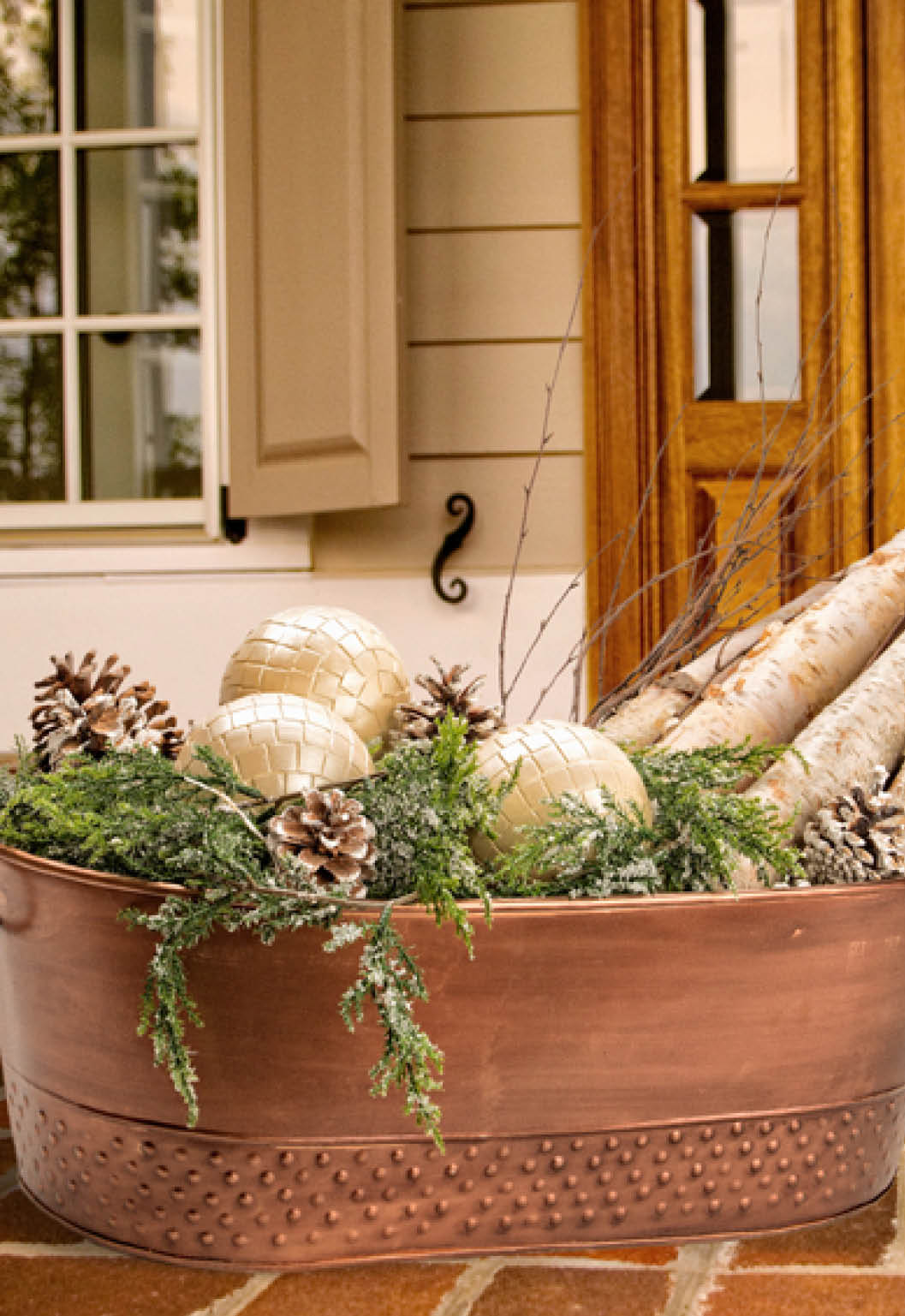
Keep it country with rustic decor. The autumn and holiday seasons both evoke a sense of home and tradition, which is not only appealing to a lot of people, but also a hot design trend. You can reflect this style by implementing the tips below and bringing them all together in a bronze-colored tub.
In the fall, incorporate the colors of the season with fall vegetables, including mini gourds, autumn corn, and corn stalks; mix in some pinecones; and add a pop of white to contrast the oranges of autumn by including a white pumpkin in the mix.
In the winter, switch out your traditional autumn colors with all white items, and frost the pinecones from your fall decor to bring the holidays to your doorstep; add a touch of green with some pine branches, which will also welcome guests with the scent of the season.
There are many decisions you’ll need to make when searching for your next home, like how large of a home you need, how many bathrooms you want, and the location that’s best for you. Another choice you’ll need to make is between buying a newly constructed home or an older, existing home. Each type of home has its pros and cons, so be sure to use this guide when deciding on which house to choose.
New construction pros
First, if you have a home built, you can tailor it to your personal needs. You’ll have control over almost every aspect of the house, from the number of bedrooms to the placement of the living room to what color your guest bathroom will be. Even if you didn’t design the home, you can expect a new build to have some of the most popular home trends, such as an open floor plan, walk-in closets, and a large bathroom off the primary bedroom. You’ll even find the latest technology, such as security systems, updated wiring for internet access, and smart home features that control everything from the lighting to the locks.
A new construction home can be a cost-effective choice in the long run. Building the house with modern materials and new appliances makes it more energy-efficient, resulting in lower electric bills. You’ll also have less maintenance and upkeep costs when you move in; everything from the HVAC system to the roof will be new and should last for many years. If they don’t, new construction homes typically come with a builder warranty that covers various components of the house for a limited time. Check out this article to learn more about builder warranties.
New construction cons
A recently built home can cost up to 20 percent more than existing ones because, in addition to factors that influence the home’s price like square footage and location, you’re paying for things like the installation of the utilities, the driveway, and the sidewalk. Additionally, you may need to purchase the home’s major appliances like a refrigerator, a dishwasher, and a washer and dryer.
The home’s exterior may lack personality. Many new-construction communities have a generic, cookie-cutter look for the exterior of the houses, so you will need to budget for post-purchase upgrades ranging from painting to landscaping to patio furniture. New construction also tends to be built on smaller lots than older homes, giving you less yard to enjoy.
Finally, you may have to deal with a longer commute. Many new construction homes are built in the suburbs, so you will be further away from the central business districts of many cities and possibly schools and shopping.
Existing home pros
Older homes have architectural designs and unique features not found in new construction. Whether the house is a Georgian, craftsman, or ranch, an older home has a personality that new homes might not be able to replicate. This personality can expand to the neighborhood, as established communities have desirable features like tree-lined streets, restaurants and cafes, and easy access to parks and schools.
If you’re a DIYer, an older home allows you to showcase your skills. With many older homes costing less than new construction, there’s an opportunity for you to do renovations and repairs on your home to tailor it to your preferences.
The landscaping of an existing home can be more impressive because the trees and plants have had ample time to grow. It can take years for a new yard’s landscaping to grow and mature.
Existing home cons
The number one drawback to an older home is the additional costs you may face. While a newly constructed home is less likely to need significant repairs in the first few years, you may need to make many repairs and upgrades to an older home. These can range from a simple cosmetic upgrade like painting a room to a more expensive repair like replacing a roof. Also, if the house comes with appliances, they could be older and might need to be replaced.
Older homes also tend to be less energy efficient. Depending on when the house was built, older materials and features like windows and insulation could be dated and cause you to have higher utility bills in summer and winter.
By considering your options and working with the right agent, you’ll find the home that is right for you.
If you’re getting ready to put your home on the market, you may believe there isn’t anything you can do to make it better. However, even though you think it’s perfect, it is essential to view your home through the eyes of a potential buyer. Before you list your home, take care of some of these simple repairs and renovations to help attract attention from potential buyers. Don’t forget to ask your real estate agent for any recommendations of other upgrades you can make to boost your home’s value.
Paint a room or two
A fresh coat of paint can rejuvenate any room in your home. While you may not need to paint your entire home, focusing on a few spaces with blemishes can make a room feel clean and fresh. If you have a room with bold or dark colors, painting it a lighter or neutral color can appeal to more homebuyers. Best of all, interior painting can be accomplished on your own over a weekend, and it could bring up to a 107 percent return on your investment.
Fix leaky faucets
Homebuyers will likely notice the drip of a leaky faucet, raising concerns that there may be issues with your home’s plumbing. However, you can ease their minds by either replacing the washers on the faucet or updating an older faucet with a new one for $100 or less—this will also help give your bathroom or kitchen a visual upgrade.
Update the lighting
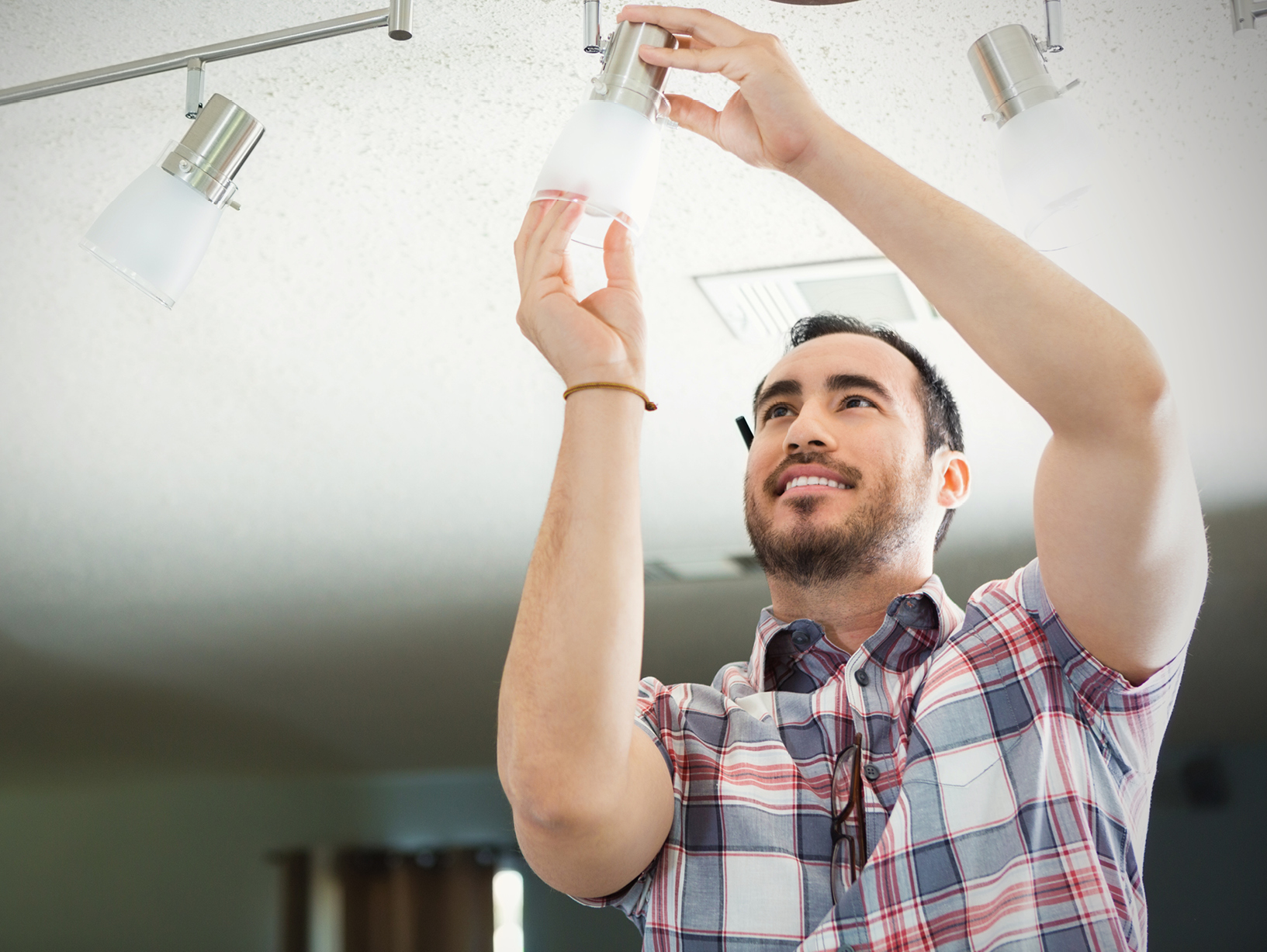
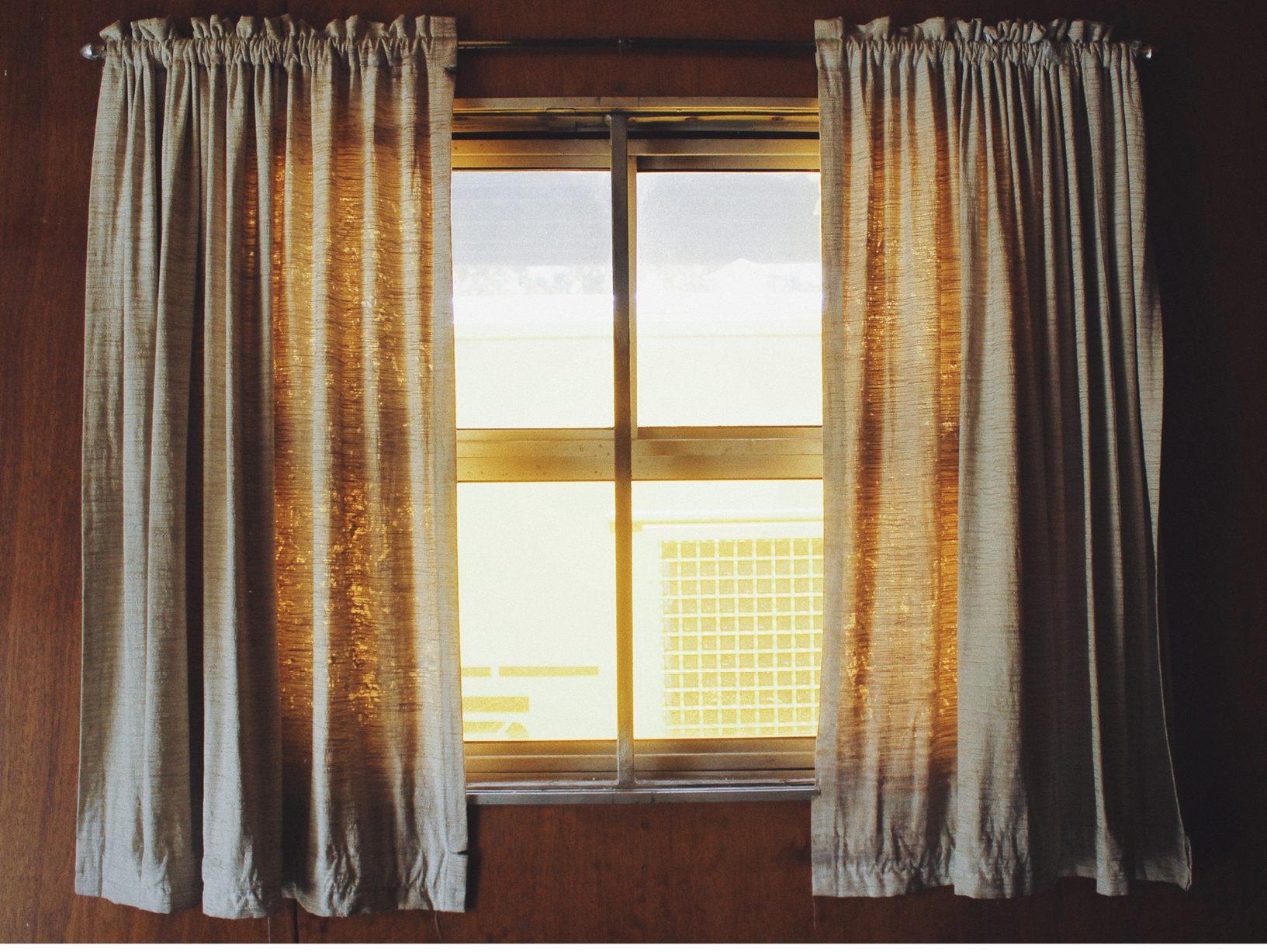
Make sure the lighting in your home reaches every corner to help buyers take notice of all your home’s features and brighten up any evening viewings. If you have a few rooms with dated light fixtures, switching them out can make the space seem more open and inviting. Make sure you replace any burnt-out lightbulbs and switch out any bulbs giving off a yellow or dark tint for LED lightbulbs. If you’re looking for an easy way to improve the natural lighting in your home, remove any heavy drapes to let the sunshine stream in.
Replace damaged window screens
Before potential homebuyers enter your home and check the view from each of your windows, make sure you repair or replace any damaged screens. Tears can make your home look dated or in disrepair, so either replace the screen (you can find many options for less than $50 depending on the size) or use a screen-repair kit to fix the damage. These kits cost less than $20 online or at your local hardware store. Such a simple repair can significantly impact the overall look of your home.
Update your flooring
No matter what style of flooring you have, giving it some TLC before selling your home can improve its appeal. If you have hardwood floors, you can highlight this in-demand feature by having them refinished to make them look new. You can hire a professional to do it for around $3 to $8 per square foot, but the task could add up to 2.5 percent to the sale price. If your carpets have permanent stains or tears, you’ll want to have them replaced for a clean aesthetic. Most homeowners pay between $3 to $11 per square foot for new carpet. If your carpet doesn’t need to be replaced, you may want it cleaned. It’s recommended to have the carpets in your home cleaned at least once a year.
Getting your home ready and keeping it clean can be challenging, especially if you have a dog or cat. Use these tips to help make sure selling your home isn’t ruff for you or your four-legged friend.
The patio is the centerpiece of backyard entertainment. It is the ideal place to be during spring and summer for barbecues, pool parties, and birthday celebrations. For many people, fall signals the beginning of the end for their patio use. But by doing some upgrading to your outdoor space, you can expand the life of your patio past the seasonal transition. Check out some of these additions that can help make your patio the place to be this fall.
Firepit
Your friends and family will love having long talks into the night while sitting around your firepit, and there are a variety of options to choose from to suit your needs. Wood-burning firepits are popular—nothing says fall like the smell of burning wood and roasting marshmallows on a cool night. However, if you’re not a fan of building your own fire, you can opt for a gas-burning firepit instead. Firepits also come in an array of designs, such as bowls and tables, and you can find models made of concrete, composite materials, and steel.
Patio Heater
Don’t let the cool temperatures force you inside. A patio heater will help keep you comfortable on brisk evenings. Like firepits, there are several options to choose from to fit your needs. Patio heaters can use gas or electric power and come in tabletop and stand-alone varieties. One benefit of patio heaters is their mobility. Even most larger models have wheels, allowing you to move them around.
Outdoor Fireplace
Like its indoor counterpart, the outdoor fireplace can be the center of your entertaining. Outdoor fireplaces are fixed in place and can be made of stone, steel, or both. They can also be custom-built to fit your existing outdoor area. One of the best aspects of an outdoor fireplace is it can warm a sizeable area, so it is the perfect addition to a larger patio space.
Chimineas—Spanish for “chimneys”— are a particular type of outdoor fireplace, distinguished by a long chimney-like ventilation system. The design of chimineas keeps rain off the fire while providing heat, and directing smoke up through its vertical vent. And with its rustic look, the chiminea can be a wonderful centerpiece for your patio. But remember: chimineas are not designed for very low outdoor temperatures. So, if you live in an area with extreme winters, you should plan to store your chiminea indoors.
Outdoor Kitchen
If you enjoy eating outdoors, upgrade your grill to a full outdoor kitchen. Cooking some of your favorite comfort foods outside is easy when you have an area to prep food, a sink, and a fridge. Customize your outdoor kitchen space with additional appliances like slow cookers and pizza ovens. There’s nothing like cooking some of your favorite tailgating foods in the backyard while watching the big game with loved ones.
For of-age guests, an outdoor bar can be an entertainment highlight. Items like a kegerator, blender, and a stock of spirits ensure that you can make the best seasonal drinks for games and holidays.
Upgraded Patio Furniture
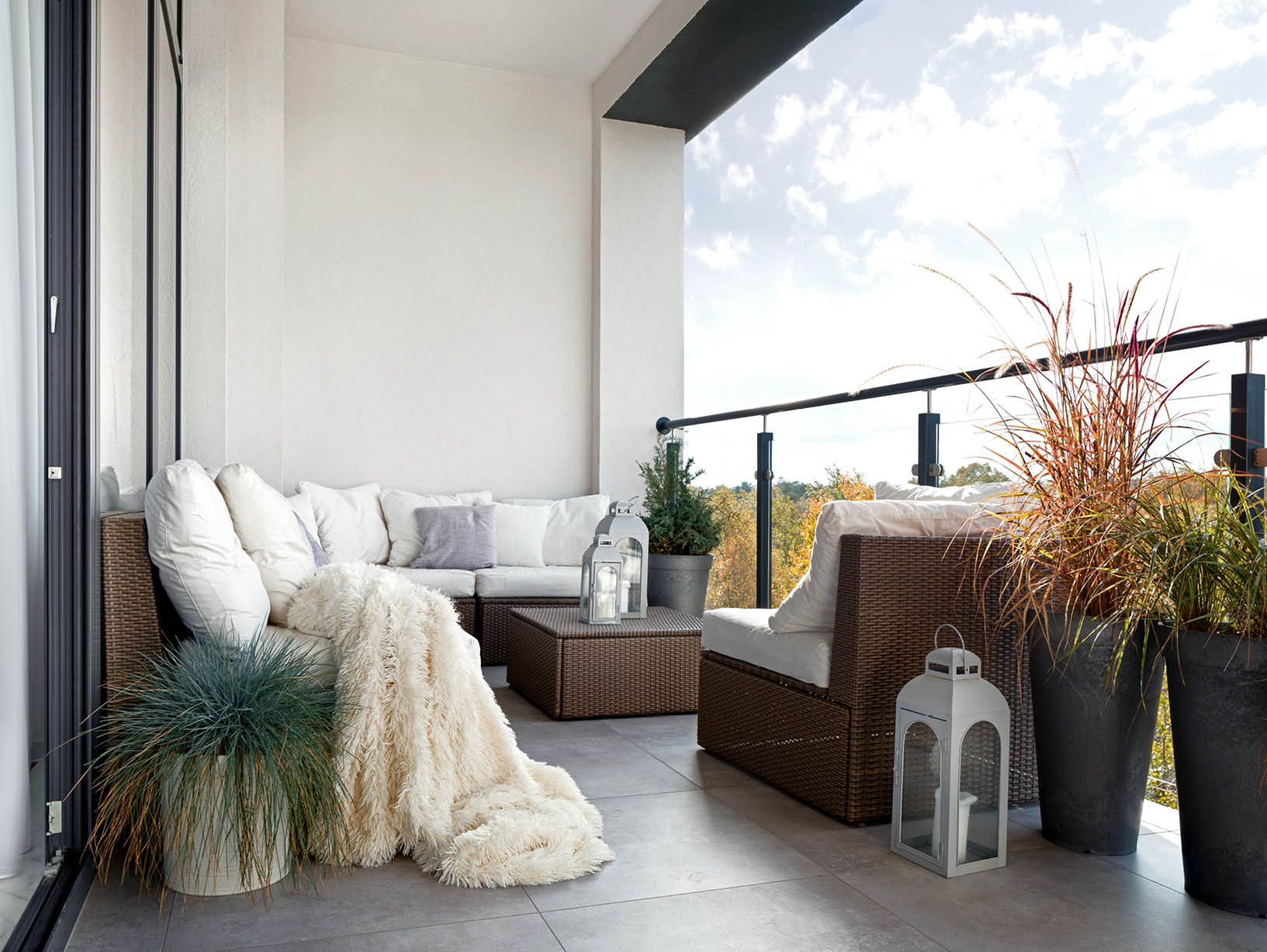
If you are choosing new patio furniture this fall, think about the materials strategically. Metal will be cool to the touch on brisk evenings, while wood and wicker can retain heat much better. If you do opt to update your metal furniture, do so by adding warm cushions or covers.
When it comes to fall, the cozier the better. Try upgrading your space with some warm blankets, comfy throw pillows, or an inviting outdoor couch.
Hot Tub
A hot tub is the ultimate addition for rest and relaxation. While it might get too cold to use your pool, you can still take a soak in a hot tub. There are numerous styles to choose from: inground or portable; inflatable or wooden; circular or square. There are styles to fit everyone’s needs and preferences. After a long day of work or raking leaves, you’ll love lying back and letting your muscles relax as you watch the stars above.
Entertainment
For many, fall is all about football. No matter if you’re cheering on your alma matter or your favorite pro team, catching the game can mean less time outdoors. But by adding an outdoor television to your patio, you can watch the big game alfresco. Remember: get a television made for the outdoors.
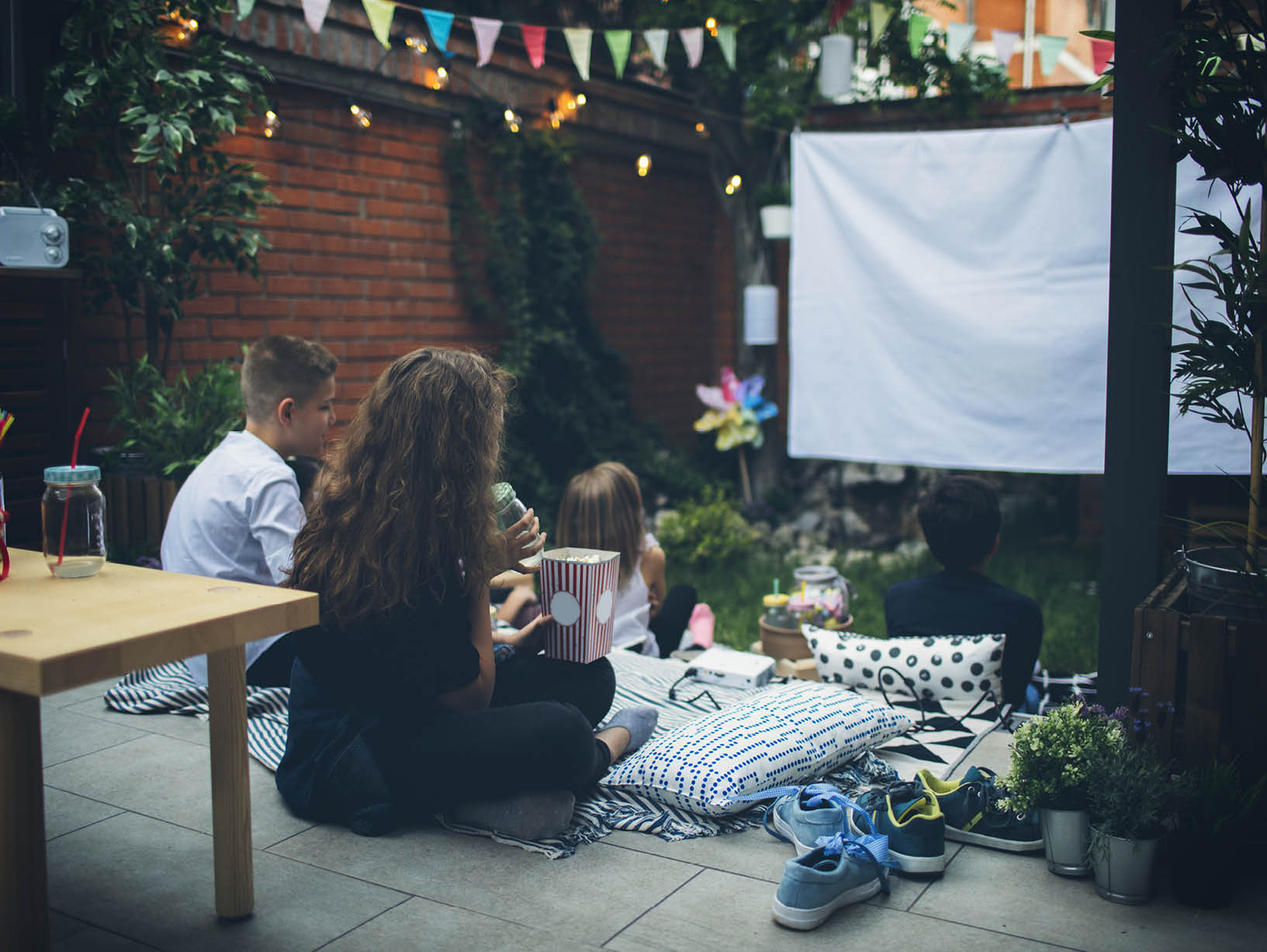
Setting up a large white sheet or screen and a projector is a great option, since you can more easily take it down and bring it inside in the event of inclement weather. Curling up outside under the stars with a favorite movie will be a fun activity for everyone.
Just because the weather is cooler doesn’t mean you can’t be active outdoors, and playing backyard games is a great way to do it. You can make a more permanent addition by adding horseshoe pits or a bocce court—your friends and family can enjoy these throughout the year. Looking for something a little less permanent? Cornhole is also a party favorite and perfect for tailgating at home.
Cool-Weather Plants & Veggies
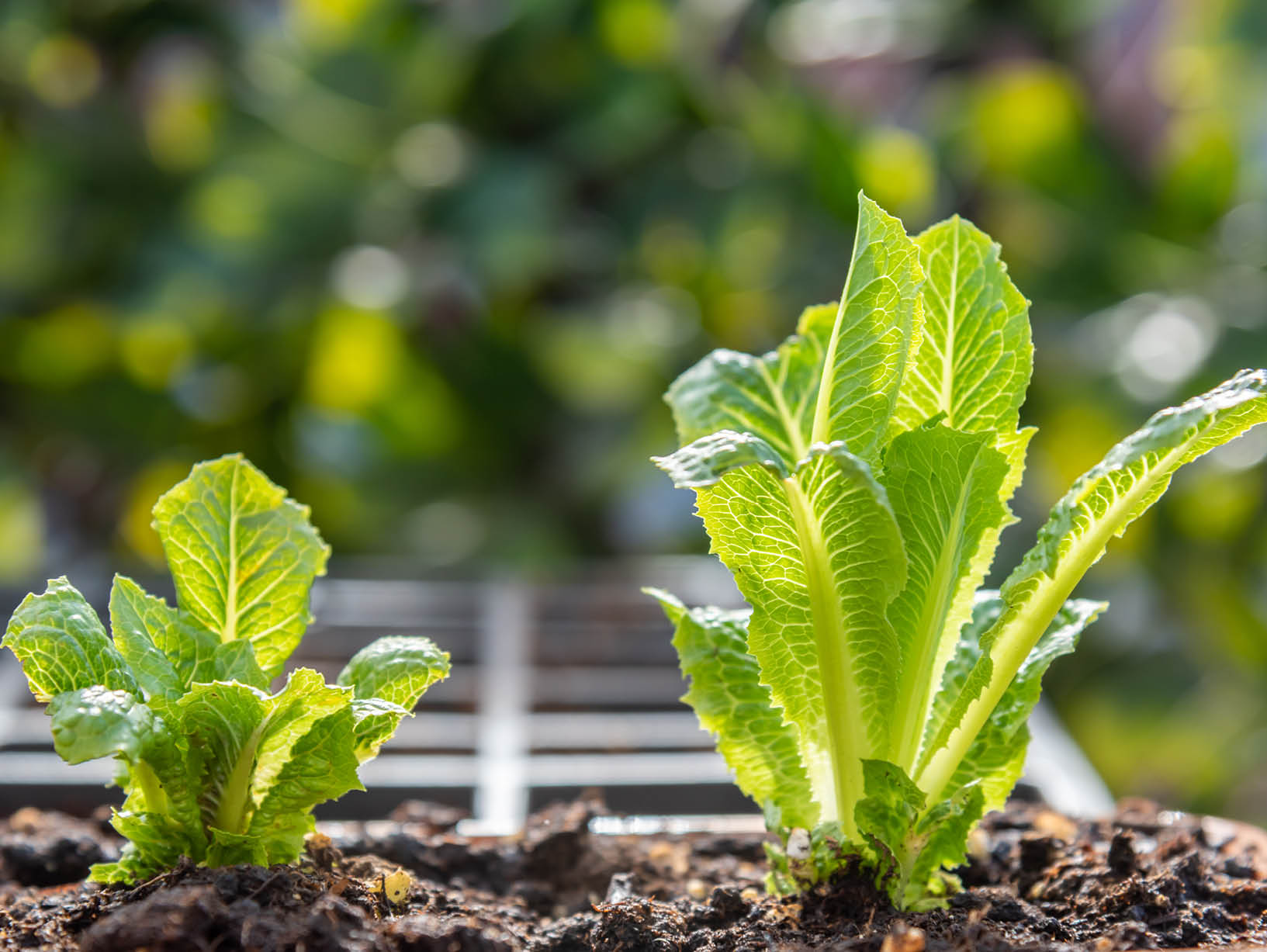
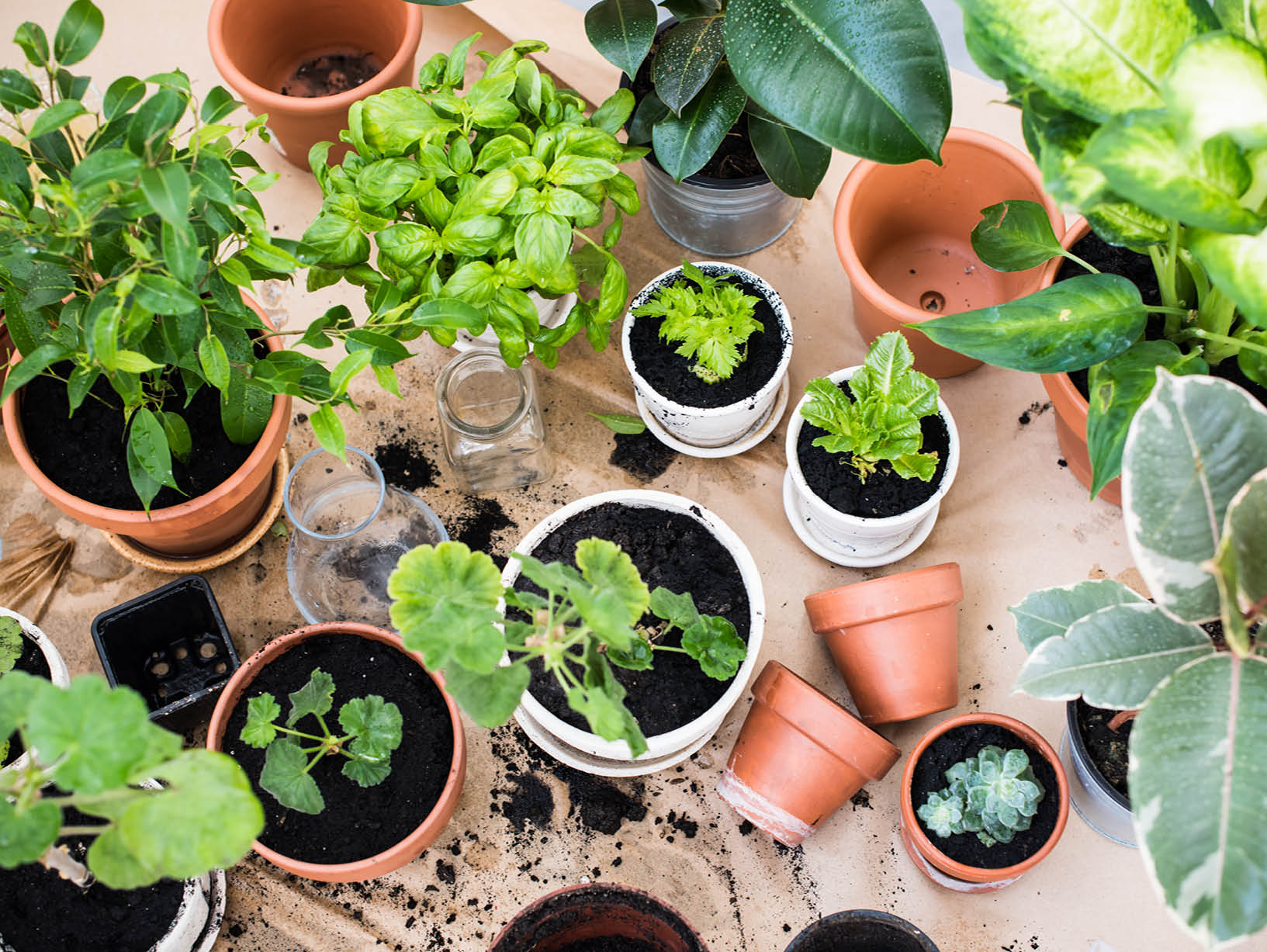
Adding some foliage can help make your patio more inviting during the fall. There are plenty of plants that will continue to bloom well into autumn. Try planting lettuce, broccoli, radishes, spinach, and kale. You’ll not only get to show off your green thumb but also enjoy your bounty for dinner.
Outdoor Lighting
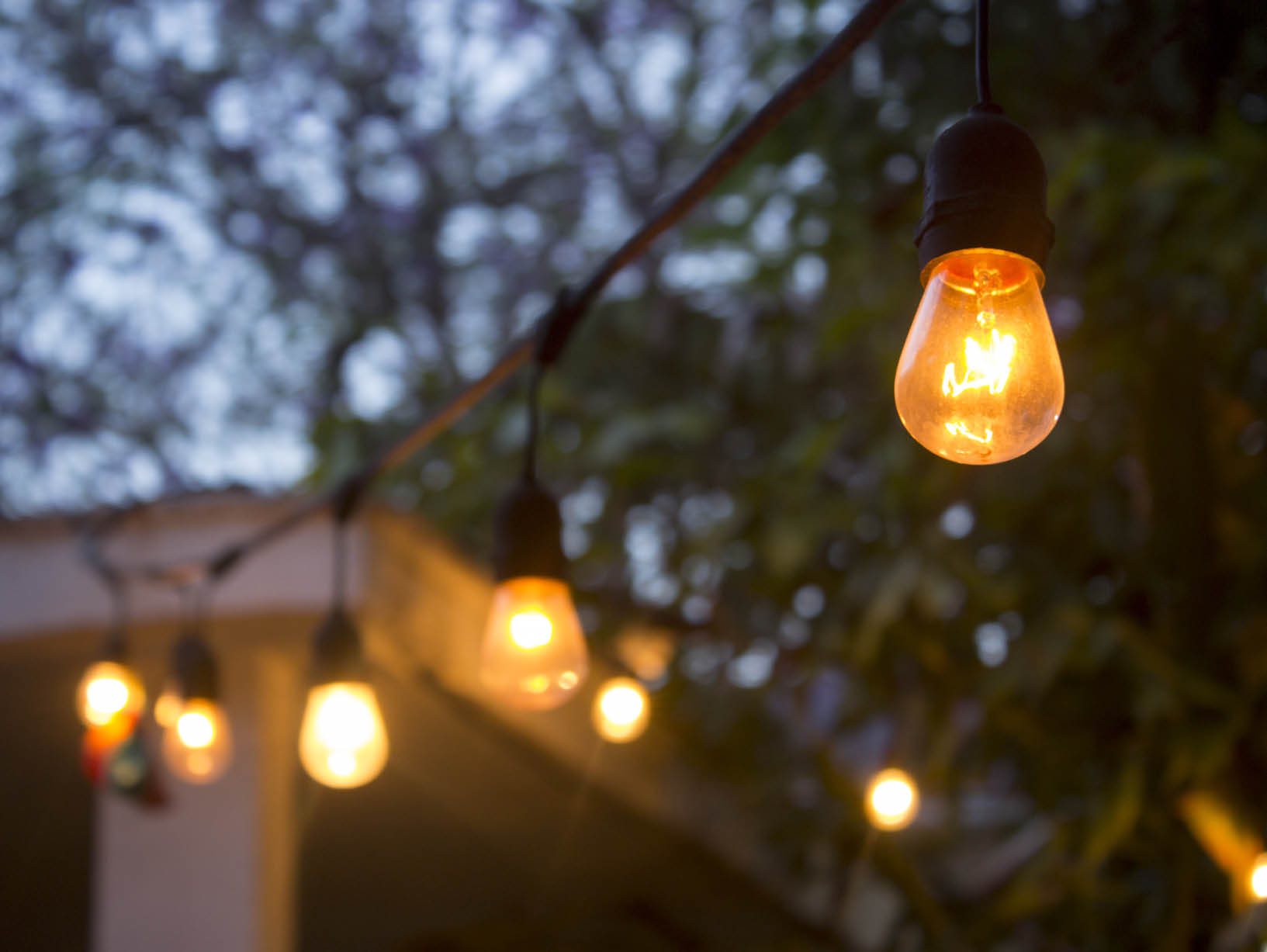
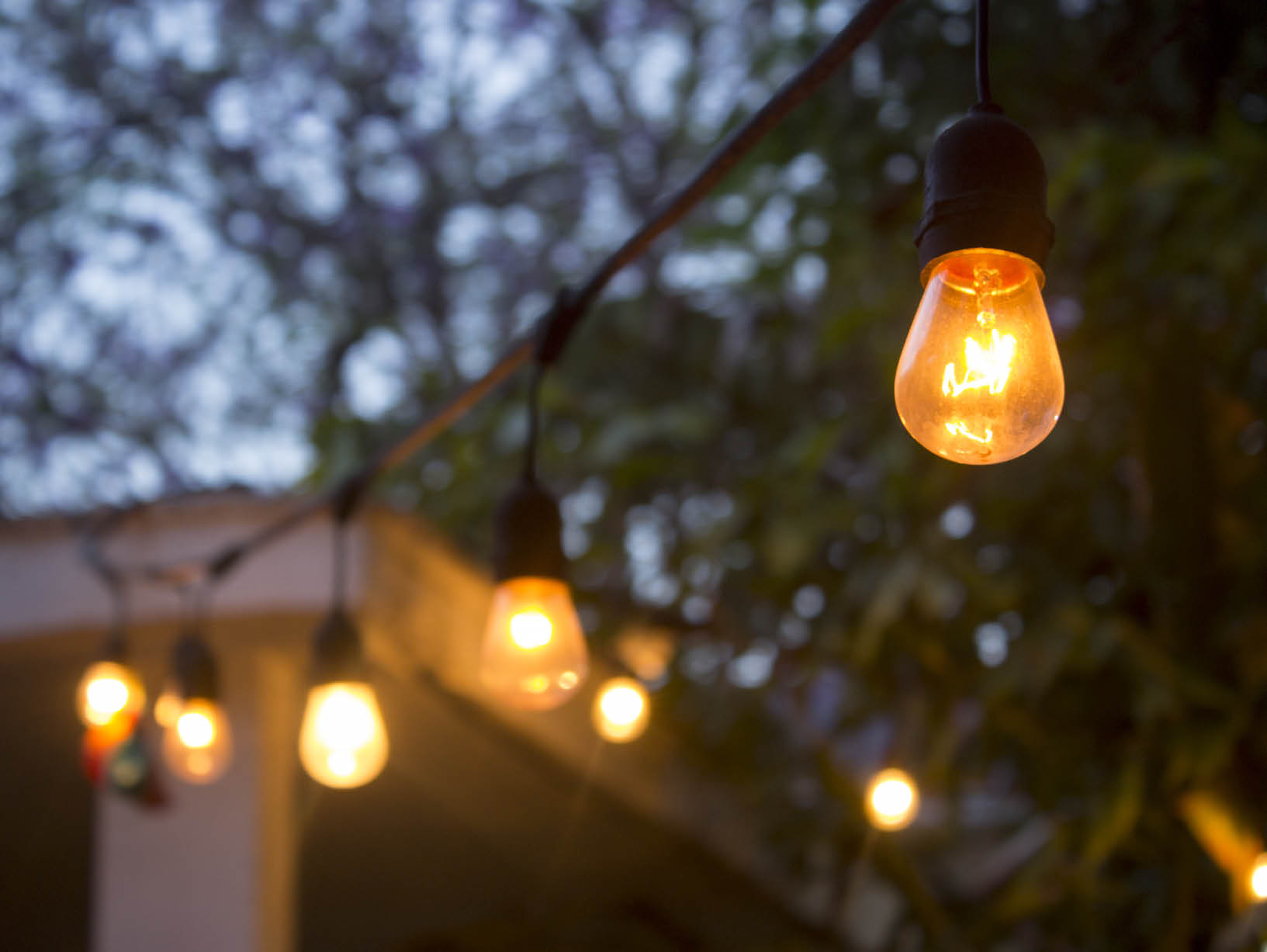
With the days growing shorter, you’ll need some extra light to be able to enjoy your patio to the fullest. There are plenty of lighting options to make a more welcoming backyard, including wall lights, path lights, and string lights. You can also stagger candles throughout your dining and lounging areas for increased visibility at night.
The sole purpose of your patio is to enjoy it. By applying some of these ideas to your outdoor space, you will have a few more months to make lasting memories with your friends and family.
Reducing your home’s carbon footprint has a host of benefits, from savings on the operation of your home’s systems to reducing their impact on the environment. However, many environmentally responsible choices are expensive and it can feel overwhelming to try to retrofit your existing home with eco-friendly changes.
The good news is that there are some changes you can make that are not only good for the planet, but good for your pocketbook, both upon installation and every month on your utility bill. Below are some of the most cost-effective changes—including many that you can DIY—in order to help you create a smarter, greener home.
Smart Home Upgrades
There are a variety of smart home upgrades to consider that can more than pay for themselves over time. A smart thermostat allows you to exercise greater control over your home’s climate control, either through programming temperature adjustments ahead of time or through changing the thermostat settings remotely. In addition, smart plugs and power strips allow you to cut passive power consumption from appliances that are plugged in even when not in use, including coffee pots, video game systems, and televisions.
On-demand Hot Water Heater
One of the most expensive appliances to run in your home is the hot water heater. Because a traditional water heater must keep a tank of water hot at all times, the hot water heater runs whether you’re there or not, 24/7. By contrast, a tankless, on-demand hot water heater offers you unlimited hot water without the need for constant energy expenditure. In addition, tankless hot water heaters often last up to twice as long as traditional water heaters before they need to be replaced.
Mature Landscaping
Among the biggest returns on investment when it comes to home improvement is mature landscaping. According to the National Association of Realtors® (NAR), exterior home improvements including lawn care, flower and planting beds, and new trees offer 100 percent return on investment. In addition, when you use environmentally friendly cultivation methods and choose plants that are native to your region, you improve both the look and health of your property. If you’re thinking of selling your home, a landscaping makeover is one of the most cost-effective improvements you can make.
Pest-control Planting
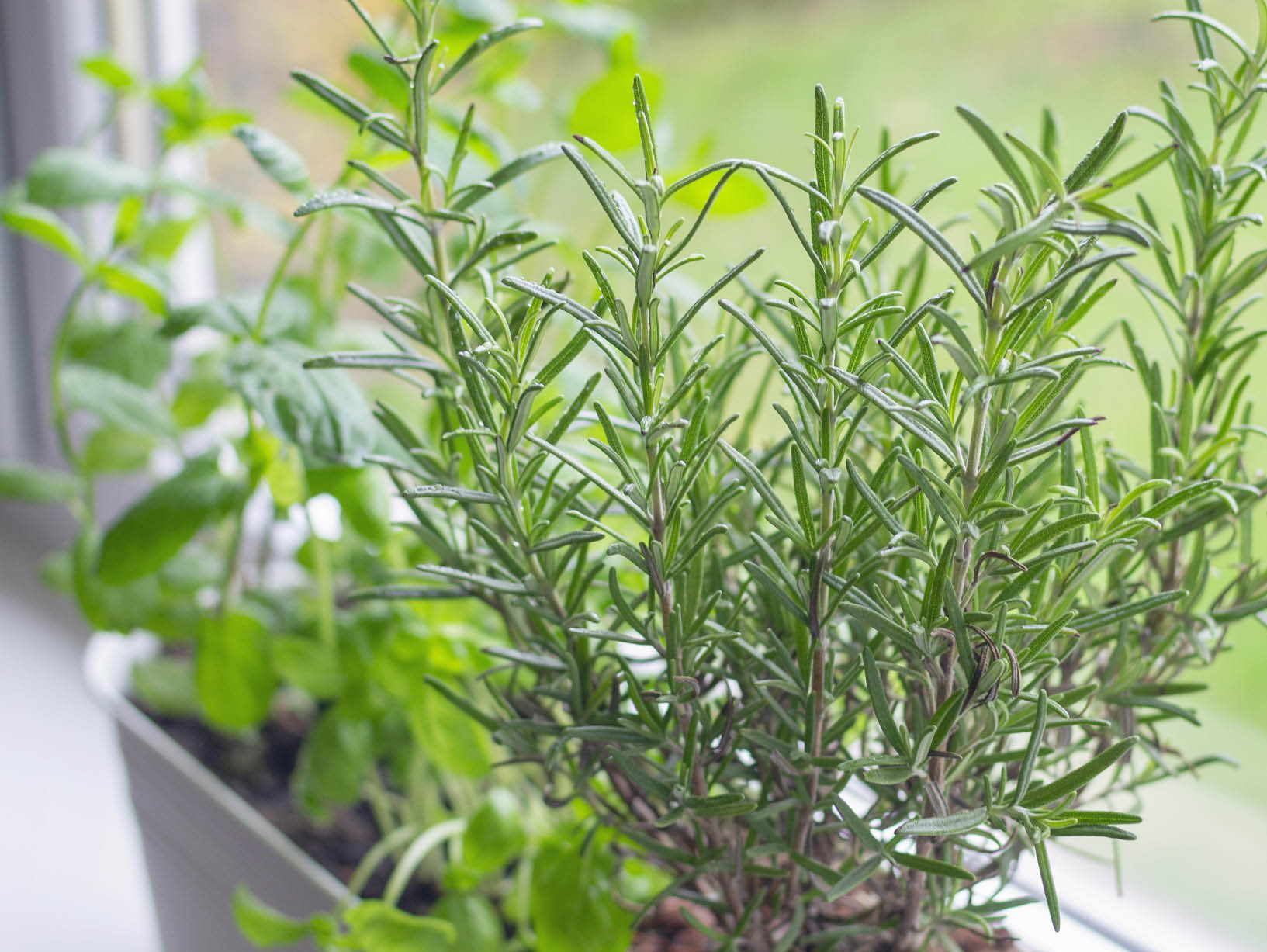
If you’re tired of paying for monthly or quarterly pest control, consider the power of natural solutions to curb your home’s pest problem. Citronella grass or flowers like marigolds, mums, or petunias can all help repel a variety of bugs and rodents. In addition, basil, rosemary, lavender and other herbs provide two benefits for the price of one—an herb garden for tastier cooking and the benefits of natural pest control.
Plumbing Upgrades
A few simple plumbing upgrades can make a big difference in your water use and in your utility bill. Aerators for sink faucets, a low-flow showerhead, and a tank bag to convert a standard toilet into a low-flow toilet are all easy and inexpensive DIY ways to make your money go further and to be kinder to the environment. In addition, because you can upgrade all of your home’s plumbing fixtures in just a few minutes and do the work yourself, you save even more money.
Eco-friendly Insulation
Traditional fiberglass insulation can save you energy and money, but its manufacturing and air quality impacts can be detrimental to your eco-friendly efforts. Cellulose insulation, made from 80-85 percent recycled newsprint, offers the ability to add insulation in an environmentally responsible way while lowering your heating and cooling costs. Denim, sheep’s wool, and aerogel are other insulation alternatives that can keep your home toasty for less money and less environmental impact.
Seal Window and Door Trim
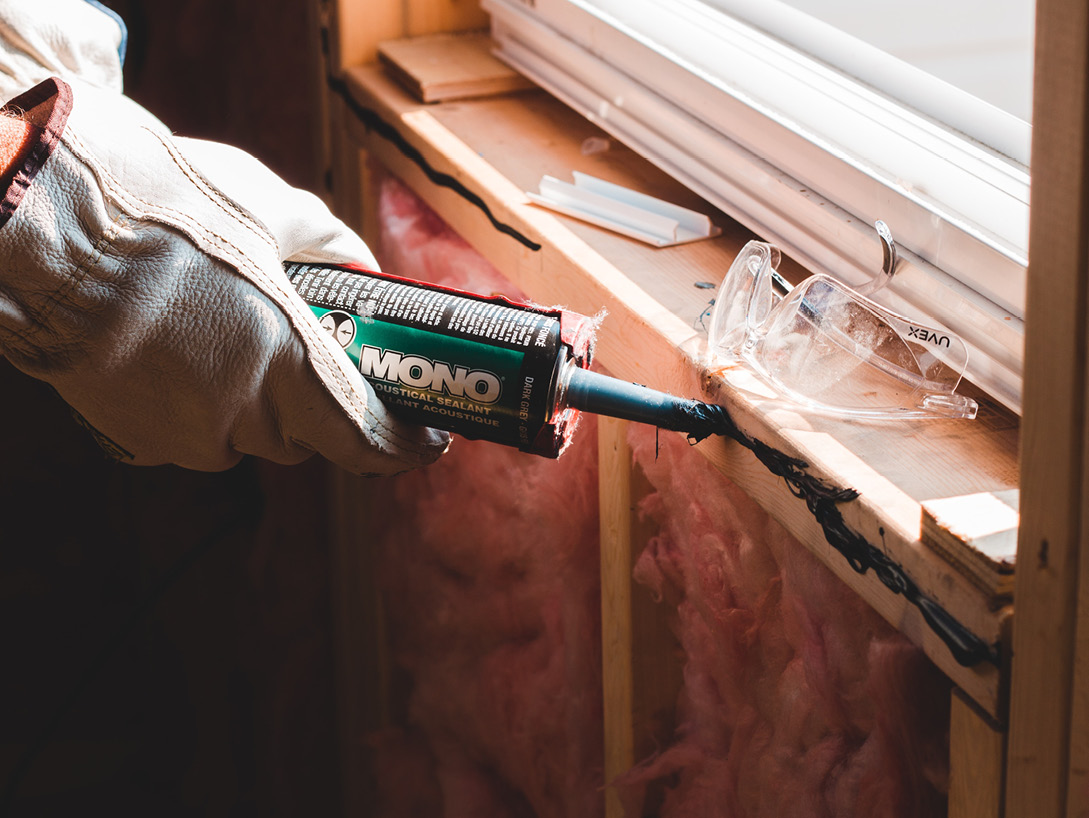
Use a feather or ribbon to check for drafts, and add caulk around interior window or door trim and foam filler around exterior trim. This simple fix will help you to keep the cold air outside in the winter and inside in the summer. This is a great money-saver since the material is affordable and you can do the work yourself in just a few minutes.
Solar Tube Lighting
While you may be familiar with skylights, you may be less familiar with solar tube lighting. Unlike skylights, which bring natural lighting into your home in a limited way, solar tube lighting can bring sunlight from one opening into multiple rooms of your home. That saves money on your power bills by providing daytime overhead lighting at no cost and without bringing additional heat inside. While you won’t get the sky view provided by a beautiful set of skylights, you will get the money-saving benefits along with a lower installation cost.
Radiant Floor Heating
Radiant floor heating offers a host of benefits over traditional heating methods, from lower cost to operate to safer heating to more long-term reliability. Radiant floor heating systems require virtually no maintenance and come with 30-year warranties—longer than even the most generous HVAC system warranties. In addition, you never have to worry about a burn from a radiator or lower air quality from a dirty air filter, so this heating option is healthier and more energy-efficient.
Looking for more economical and eco-friendly updates and upgrades? A real estate professional can help you gauge the most desirable features in your local market, and can tell you what buyers are looking for so that you can make changes that pay both now and in the future when it’s time to sell. In addition, a real estate professional can introduce you to reliable local repair and improvement professionals who can help you make the changes you want.
When the temperatures begin to drop and the leaves start to change, you might think your time in the garden is over—not so fast. You’re just getting started. Don’t let your green thumb go to waste in the fall. There are plenty of plants you can still grow in your garden through autumn and others that you can bring indoors to care for the rest of the year.
Cool-weather gardening
While you should spend a portion of your fall cleaning up from summer and preparing for spring, there are plenty of flowers you can plant now to bring some liveliness to your landscaping. Just be sure you wait to plant new blooms until the average temperature falls below 80°F.
Annuals
If you’re looking to rejuvenate your garden, an array of annuals can add color to your fall landscaping. Pansies and violas can bloom through November, and sometimes even longer, depending on your area’s temperatures and the first frost date. Violas are a hardy option able to withstand colder temperatures, while pansies will do better in mild temperatures. Chrysanthemums (mums) are another great option for their hardiness. While technically a perennial, many people treat mums as annuals when planted in autumn in regions that experience a colder fall and winter. Make sure to plant your mums well ahead of the first frost to give them time to establish themselves.
Other annuals that fare well during the fall include marigolds, dianthus, helenium, and sweet alyssum. Make sure to plant your annuals in an area where they receive the right amount of sun and water regularly. Adding a layer of mulch helps some annuals return in spring in warmer climates.
Trees and shrubs
If you’re thinking about adding a tree or shrub to your yard, consider planting it at least four weeks before the ground freezes. Warmer ground temperatures allow the roots to grow before winter sets in and the tree or shrub goes dormant. In warmer regions, it’s also a good idea to plant trees and shrubs during the fall because the roots will have time to establish in the cooler months without dealing with stress from heat. Make sure to give it plenty of space, and water it until the ground freezes.
Perennials
Finally, divide or move perennials a few weeks before the average first frost date in your region to give plants time to grow new roots and recover from the transplant. Moving perennials can give these flowers more room to grow, improve access to light or shade, and provide better soil conditions, as well as giving your landscaping a refresh. Some varieties to consider replanting include bearded iris, daylily, veronica, peony, astilbe, and bleeding heart. Make sure to give your perennials plenty of water and a layer of mulch in their new home.
Moving plants inside
If temperatures are falling, it might be time to move some of your plants indoors. Whether tropical plants, annuals, or bulbs, many plants need warmth to survive. If you’re considering bringing some of your plants indoors, you’ll want to take a few things into account.
When to bring your plants inside
If temperatures fall below 50°F overnight, you should bring the plants indoors. However, the process isn’t as simple as just bringing them into your house. You’ll need to take time to make sure they acclimate to their new environment.
Preparing your plants
Before bringing plants in, make sure they don’t have pests tagging along on the leaves or moss and mold growing on the pots, and check your soil for pests, too. Many of these insects will be near the surface, so do a little digging to make sure the soil is free of tagalongs. If a plant has grown over the warmer months, you may also need to prune or replant it in a larger pot.
Making the transition
To properly prepare your plants for the move, bring them in on cool nights for a few days. Return the plants outside during daylight hours so they receive plenty of sun. Gradually decrease the time they spend outdoors over two weeks.
Where to put your plants
Many of us don’t have greenhouses available for our plants. However, there are plenty of spaces in your home that should work. Try to maintain an indoor temperature between 55°F to 70°F, and be sure to keep the plants away from drafty areas and heat sources.
Provide the plants with sunlight by placing them next to a window. Remember to clean the window you choose. This will help provide adequate lighting all winter. The direction your window faces will also make an impact on the light plants receive. South-facing windows tend to be a good spot for plants that need full sun. Windows facing east or west are better for partial sun plants. You can also use indoor plant lights if your area is particularly rainy during fall.
You’ll also want to offer your indoor plants plenty of humidity. A good way to do this is by setting up a humidity tray using the following steps.
1. Find a shallow tray that is large enough to hold your plants and their pots.
2. Fill the tray with pebbles or small rocks.
3. Add water to just below the top part of the pebbles, and set the plants on the pebbles.
4. Avoid letting the bottom of the pot touch the water, since this can lead to unwanted root rot.
5. The tray water will eventually evaporate and provide the humidity your plants need.
Avoid overwatering your plants by only watering when the soil surface is dry to the touch. Overwatering can be as deadly to a plant as under-watering.
Although fall has arrived, you can still spend plenty of time enjoying your garden—both inside and out. So throw on your gardening gloves and grab your watering can. It is time to get to work!
Generally speaking, people think of spring as the time to clean and enhance the appearance of their homes’ exteriors. While this is true, autumn—with its vibrant hues and eye-catching plants—can also be a great time to think about sprucing up your home to increase its curb appeal.
Best of all, it doesn’t need to be costly or time-consuming. In fact, much of it can be done quite reasonably if you have the proper tools. Whether you are going for a fresh look for your own satisfaction or are planning to sell your home soon, there are several ways you can bring new life to your home’s exterior this season.
Landscaping
Replace dead plants and shrubbery
If you have plants and shrubs that have lost their summer blooms, this is the perfect time to prune those overgrown areas and replace them with new plants and flowers in fun fall colors.
Remove weeds
Out-of-control weeds can give your house an unmanicured look. You can easily remedy this by removing them with weed-removal tools and then adding a fresh layer of mulch to your garden beds, steps that will not only make a world of difference to your home’s appearance but also prepare your garden for the cooler months ahead.
Maintain your lawn and trees
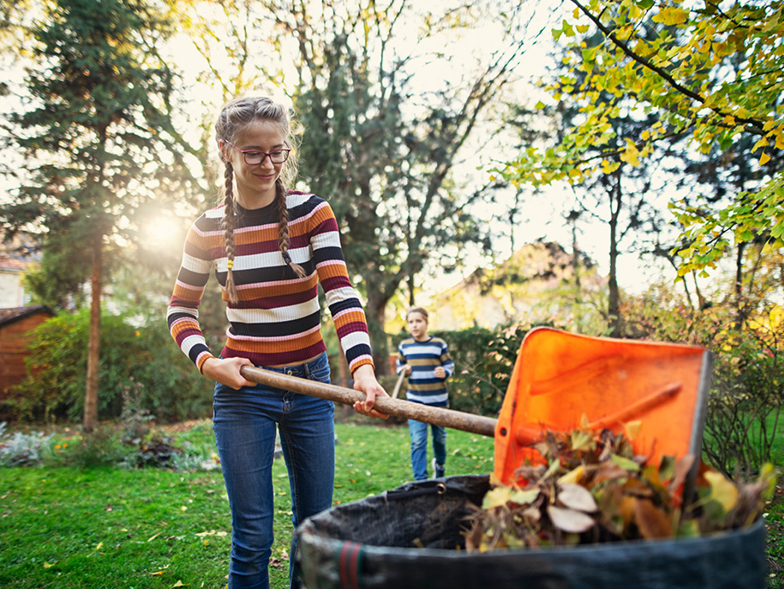
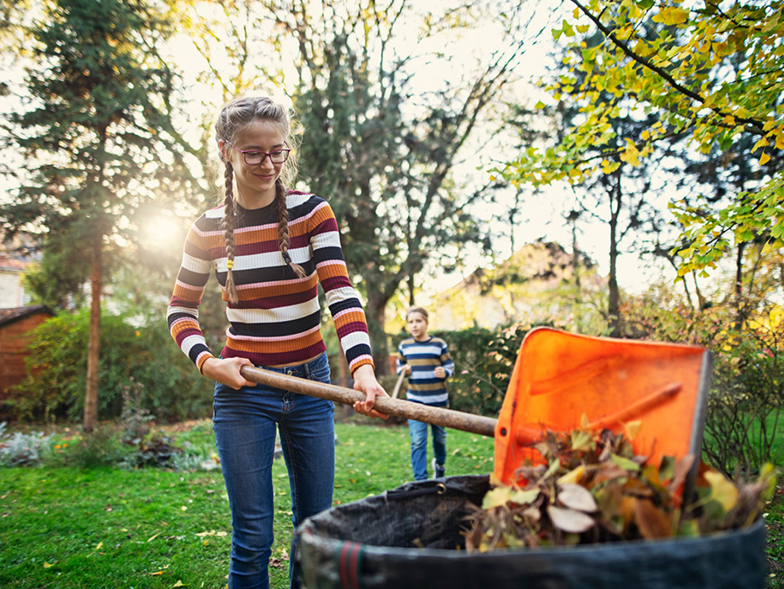
Falling leaves look pretty, but they can also suffocate your lawn. Make sure you continue to mow your lawn during autumn, but you can likely do so less frequently and at a lower height as the weather gets colder and grass grows slower. (As a bonus, mulching leaves with your mower will feed your lawn.) Also, neatness counts: neatly edging your lawn and trimming any overhanging trees will make a world of difference to your home’s overall curb appeal.
Home exterior
Pressure-wash
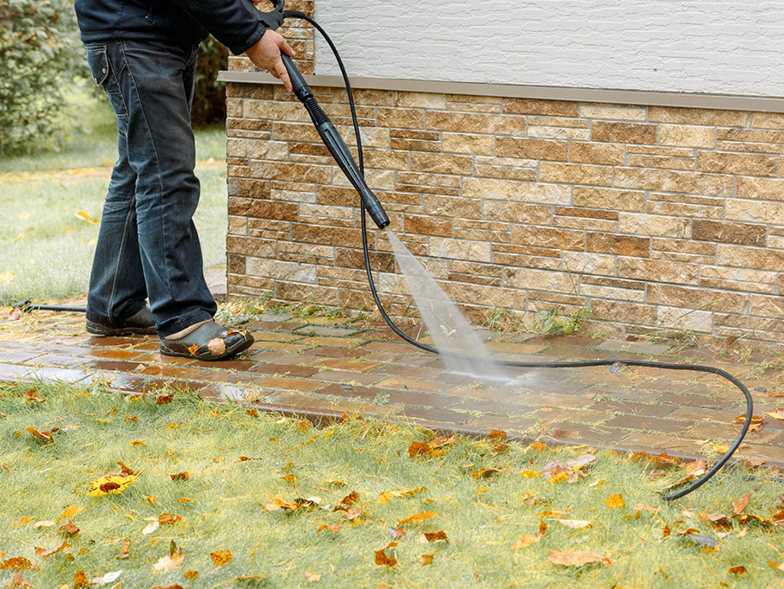
You may be surprised to see what a pressure-washing can do to clean up your home’s curb appeal, as it can easily remove summer’s unwanted grime, dirt, and mold from your driveway, sidewalks, siding, and roof. If you don’t want to pay someone to do this, you can rent or purchase a pressure washer at most hardware stores.
Clean out your gutters
Falling leaves need to land somewhere, and a prime spot is in your gutters. Remove leaves and other debris from these trenches so that water can properly drain from your roof rather than overflowing toward your foundation. However, it may be best to hire someone to do this to avoid potential ladder injuries.
Beautify your front door
Be sure your front entrance area is free of dirt and grime to provide a welcoming vibe to any guests or potential buyers. It may also be a good time to refresh your front door with a new paint color that complements the rest of your house. If your front door is stained with a varnish or lacquer, you can put on a fresh coat to bring it back to its original color.
Complete minor repairs or touch-ups
Inspect the exterior of your home, and repair, replace, or touch up items such as chipped paint, broken pavers, screens, gutters, downspouts, broken railings, shutters, or fencing. Consider a seasonal upgrade for your mailbox and welcome mat as well.
Regardless of whether you are aiming to sell your home this fall or fulfilling your own sense of seasonal enjoyment, improving your curb appeal can provide big benefits with little cost.
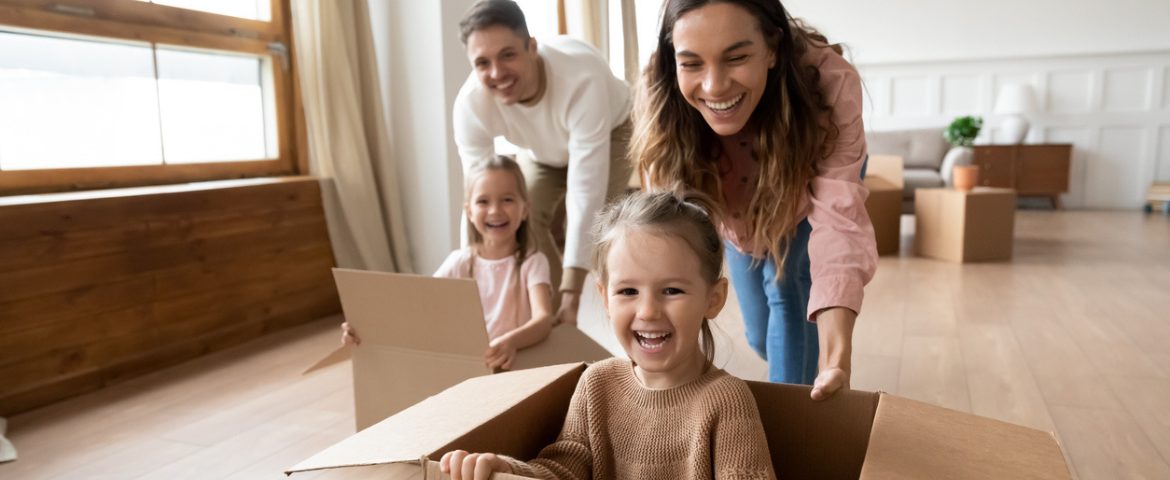
You have just secured an amazing new house. Perhaps you found a great rental or you’ve recently become a proud new homeowner. Now, all that lies ahead is the big move to tackle with the help, or at least the companionship, of your children. But how can you have a great moving experience with your kids?
When you need to move from one house to another, your children can be your best buddies. While not yet experts at packing boxes, children can grasp how exciting it is to pack everything up and go somewhere new. With the right approach, moving with your kids can become a fun family adventure and a memory you will cherish as a time when the whole family worked together for something great.
Whether this is your children’s first big move or you’ve tackled the big relocation before, it can help to start with a plan and a few smart tips to keep your kids on track and having fun the whole time. Here are some tips for a great moving experience with kids.
7 Tips for a Fun Moving Experience with Children
1. Moving as a Fun Adventure
Kids love new things. While you may be worried about the schedule and the costs, your kids only need to worry about how much fun it is to pack boxes. The best way to make this a fun family moving experience is to introduce the move as a chance to do new things, go new places, and completely redecorate an entirely new house.
No matter the age of your children, from toddlers to teenagers, you can often pitch the move as a positive experience and get whatever help your children are capable of doing.
We’re in This Together
If you’re feeling a little nervous about the move, your kids may sense this. The best way to handle the issue is to ask them to be on your side. If you say “This is a big change, but I can do it with your help”, children from 2 to 18 will help you form the family team and tackle the move together.
2. Teach Your Kids to Pack
Packing a stable box
Choosing the right sized box for heavy or light things
Wrapping delicate toys and objects in a t-shirt
Children in elementary school and older are usually able to pack most of their own rooms and any shared toys. Once they get the hang of it, your little helpers might just try to pack everything in the house. For kids, it’s fun to pull books and games off the shelf and stack them in boxes. However, children don’t actually know how to organize boxes, yet. Even teens who have never had a big move may lack the organizational skills for a well-packed room.
So sit down together and teach your children to pack. Talk about how they want to build a “Tetris” stack where each layer is a good, solid support for the layers on top. Talk about how heavy things go in the bottom of a box with lighter things on top. Teach them how box sizes should be chosen so the contents aren’t too heavy. Then help them pack a few boxes of clothes and toys from their room and show them how to lay things neatly. Show them how to wrap delicate toys and electronics in t-shirts to keep them safe during the move.
Once your kids get the hang of it, they’ll soon be roving the house looking for more things to pack.
3. Nothing is Ever Lost: Take Pictures and Connect with Friends
Take pictures and video tours of the old house
Connect with friends (or their parents) online.
Some children are very attached to their current house and, despite your happy face, may respond tearfully to the news of a move. Comfort your child (or teen) by reminding them that we never lose anything in the modern world. You can take pictures and videos of the house to preserve all their early memories, and friends connected online are never far away.
In the old days, a parent would help their child build an address book of their school and neighborhood friends. Today, all you need is Facebook. For younger children, connect to their parents and explain the situation to improve your moving experience.
4. Moving with Babies and Toddlers
What if your children are too young to help with the move? They can still keep you company and lift your spirits while you pack. However, you should also keep them safe from stacked boxes and disassembled furniture. Babies may enjoy watching you pack from their car seat, baby carrier, or bounce chair. You can talk to them about what you’re packing or listen to music and sing together.
Toddlers can be set up in a nearby playpen, or you can use one of the big boxes to make a fort or playhouse and let them draw while you pack the living room.
The Fetch and Carry Game
Children who are almost old enough to pack with you may enjoy helping. Pre-school-aged children will happily become your tape-caddy, helping you keep track of your packing tape and colored markers as you seal and label each box. Children at this age can learn about packing and may even start bringing you similar items to go in each box. After all, sorting and categories are right at your preschooler’s current learning stage.
5. Keep the Kids Busy on Moving Day
When it comes time to pack the truck, your movers will be moving fast with heavy objects, so it’s best to keep your children out of the way and occupied. Set them up in an empty bedroom with devices to watch TV and play games while you and the movers take care of the boxes. Make sure there’s a bathroom they can visit without being in the path and check in often.
Older children can usually be trusted to stand back and watch the movers if they are curious and don’t want to hide watching TV. Teens can often help out if they’ve been an involved part of the move so far.
If you have a baby on moving day, your movers will understand and appreciate that your infant or toddler is your primary focus. With a good team, they will take care of everything to improve your moving experience and check in if there are any questions.
6. The Big Road Trip
Make sure the house is ready for your arrival
Pack an overnight bag for each family member
Pack a fun & snacks bag for each child
Plan your stops and don’t push too far
Finally, you’re ready to embark on the grand adventure with your children. Longer road trips make the adventure feel bigger, while a trip across town will be easier on your stress levels.
The first step, before you get in the car, is to make sure the house will be ready for you. Have the utilities turned on and the fridge plugged in when you get there. Have the key or make sure the key will be available when you arrive.
Plan your stops ahead of time, knowing how far you will go and what hotel you will stop at for the night. This gives you time to make sure each stop is safe and welcoming for your kids, with the amenities you’ll need to stay healthy and happy.
When you pack up, you’ll want an overnight go-bag for each family member. For each child, also pack a box or bag full of snacks and road trip entertainment supplies. If you’re well-prepared and embark on the trip as a family, your children will help you remember to enjoy yourself.
7. Arriving at Your New House
Moving into a new house can be exciting and refreshing. If you are feeling stressed about your moving experience, simply see it through your children’s eyes. Every day is an adventure, and the new house is a whole new world to explore and make your own. You have just secured a wonderful new house and a home to raise your children.
Now, what color do they want to paint their rooms?
For more insights on buying the perfect home for your family and plans, visit Weidel Real Estate today.
The global pandemic certainly had most Americans on the move. People had to ditch expensive cities like San Francisco and New York for suburbs or more affordable areas like Nashville, Phoenix, and Austin. However, as the health pandemic wanes, people are relocating again. Still, others are moving places as they permanently adopt the new work-from-home lifestyle. The factors contributing to the rankings of the most sought-after places to live in the US include the job market, affordability, excellent schools, as well as population growth.
So, where are the best areas to move to?
Most Sought-After Places to Relocate in the US
1. Boston
The historic place is home to several schools, such as Boston University, Berklee College of Music, and Emerson College. Due to the high number of recent grads and job-seeking students, Boston is ranked one of the best cities to live for young professionals in America.
Apart from education, the town ranks highest in quality of life and safety. It also features many shops, restaurants, bars, and historical monuments.
Many US residents love the idea of moving to the heart of New England. It helps that the city offers a more competitive job market than much of the rest of the US.
2. Melbourne, Florida
Melbourne takes one of the top spots among the best places to move to in the US. One reason is due to its rapid population growth. According to US Census Bureau,” the Melbourne metro area grew by 8.14% due to net migration from 2016 to 2021.”
Melbourne also ranks as the most populous area in the US for “college readiness among high school students” according to U.S. News data of Best High Schools ranking.
This largest metro area in America is a global hub for fashion, finance, entertainment, etc. It is a widely recognized dream living area for many people, young and old. Despite the pandemic making life difficult for those living in densely populated parts of the country, people can’t help but see the city as the place to move to for job opportunities, nightlife, food, and sightseeing.
3. Washington, D.C.
The US capital is undoubtedly one of the best sought-after places to live, especially for young professionals, due to its job and business growth, employment rates, cost of living, and nightlife.
The political hub of America is also home to several historical monuments, attractions, culture, as well as museums. It features outdoor activities, including music festivals and farmers’ markets. It has a beautiful natural setting that entertains residents and attracts visitors alike. The 177 embassies result in diverse cultural and population opportunities, and distinct neighborhoods have varying personalities and flair.
With a rich history of the whole country embedded in the city, from the National Archives and the J.F Kennedy Center for Performing Arts to the Lincoln Memorial, there’s something for everyone.
It ranks as the most sought-after place to live based on the conventional aspects of its employment and job market, and quality of life.
4. Austin, Texas
After being in the top 5 for six consecutive years, Austin still falls among the best places to move to in 2022. The rising cost of living has made it less desirable, mainly due to the pandemic. However, Austin still has plenty to offer and continues to see long-term growth in population due to net migration.
The diverse city is best for families looking for job and business growth, good public schools, and several outdoor activities. It is home to various bars, restaurants, and large green spaces like Zilker Park, a popular area for swimming and picnicking.
Austin is also a famous cultural hub. It features a variety of film festivals, including South by Southwest and Austin City Limits, as well as music.
5. San Francisco
San Francisco is the number one best and most sought-after place to live in the US mainly due to its strong job market. The city follows Bay Area and San Jose as the third best area with the highest job market.
It also ranks top as one of the metro areas for desirability as the Victorian row houses and hilly streets captivate tourists and residents alike. The city boasts a place where tech innovators and free spirits thrive.
6. Huntsville, Alabama
Huntsville has risen as one of the most sought-after places to live in the US thanks to its low cost of living and job market. It’s a winning combination for most people looking to move towns. This Alabama metro area is one of the most affordable places to live out of the country’s other most populous metro areas. It is home to several companies focused on technology, science, math, and engineering. Thus, contributing to a better average annual salary for the locals.
The city gets top points for being family-friendly due to its plentiful outdoor activities, good public schools, and affordable living costs.
It is home to a major attraction site, the US Space & Rocket Center. Residents and visitors can enjoy seeing replicas of rockets and learning more about outer space.
7. Columbia, South Carolina
The mix of suburban and urban life attracts many people to Columbia. The place is home to quaint neighborhoods and major attractions such as the South Carolina State Museum and the Riverbanks Zoo.
The city also gets top marks for its nightlife, likely due to the diverse student body at the University of South Carolina, which spends evening hours at the city’s restaurants and bars.
8. Minneapolis, Minnesota
Minneapolis is one of the most sought-after places to live for families and young professionals. It has a good employment rate, cost of living, several outdoor activities, and good public schools.
The city features many parks, lakes, and Minneapolis Sculpture Garden with eye-catching art, including the famous Spoonbridge and Cherry.
9. Portland, Oregon
Portland has a reputation for “20-minute neighborhoods,” where schools, shops, open spaces, and public transit are all within a 20-minute walk. It has over 300 miles of biking paths and ranks. This makes the city among the most desirable places to live with the healthiest environments.
Portland is famous for its independent businesses, quirky food, easy access to hiking trails, and nightlife options.
The city’s large LGBT population and low religious status result in high personal freedom and political stability. Nationals also enjoy a strong job market with high average annual salaries. Despite its reputation for being rainy, Portland records a high number of sunshine moments and warm average temperatures. And based on crime, sanitation, natural environment, housing, and public service, it’s ranked among the best places to retire.
10. Denver, Colorado
Denver is also considered one of the sought-after places to live based on affordability, job market, and quality of life. It has been ranked the best city for singles for many years and is among the fastest-growing cities in America.
The city is a top destination, especially for millennials who are attracted to the Rocky mountains with countless outdoor opportunities such as skiing, camping, kayaking, hiking, and the flourishing job market.
Denver has strong music, arts, and culture vibe, and neighborhoods are filled with bars, restaurants, and clubs. It also features a strong sports presence hosting Nuggets, Denver Broncos, Rockies, and Spurs.
Wrapping Up
Happy residents, affordable housing, a job market, and great schools are often the determining factors for people looking to relocate.
As a member of Leading Real Estate Companies of the World®, we have real estate professionals ready to help you find your ideal home—throughout our continent and around the globe. Whether it’s a country house, an island retreat, or a city apartment, we can help you find the perfect property with the best names in real estate. Contact me for more information.
There are various challenges to confront when selling a house. However, if the house in question is the one you’re currently living in, a major question you’ll need to answer is where will you go once the house is sold. In a perfect world, you’d be finalizing the sale of your home on the same day that you’re finalizing the purchase of a new house. However, this is almost never the case. You can either sell your house first or buy a new one first. Which approach is more advisable?
There Is a Risk of Paying Two Mortgages
For starters, it will be difficult to qualify for a mortgage on a new house while you’re still paying off your existing mortgage. Your debt-to-income ratio may rule you out for optimal interest rates. However, even if you do qualify for another mortgage, you’ll still be in the unenviable position of carrying two mortgages at the same time. This is one of the hazards of buying before selling.
Carrying two mortgages may not seem like an issue if it’s for a month or two; however, there’s no guarantee you’ll sell your old house that quickly. You may be making payments on two mortgages for a while.
If you’re buying your new home in a competitive market, you are unlikely to succeed with an offer that’s contingent on the sale of your current home. Many buyers would prefer to make deals that are contingent on the sale of their current houses. This can help them avoid getting stuck with two mortgages.
Unfortunately, when there are multiple parties interested in a particular property, your offer may not make it past the screening process. Why would a seller wait for you to sell your current home when they have other buyers waiting in line?
When you’re trying to handle both the sale of your current house and the purchase of a new home, mistakes could easily be made. One of the areas where you might make a mistake is in the buying of a new house. Selling a home poses a few challenges, but at the end of the day the most important thing is simply to get paid what the property is worth. On the other hand, when you’re buying, you’ll be choosing a place for your family to stay for years. Rushing to commit may not be the best approach.
In the end, selling your home first may be the best option. A dedicated real estate agent can help you streamline the process of both buying and selling in order to minimize the gap between selling your old home and finding the perfect place to land.


 Facebook
 X
X
 Pinterest
 Copy Link